
Estimated Reading Time: 14 mins
Introduction
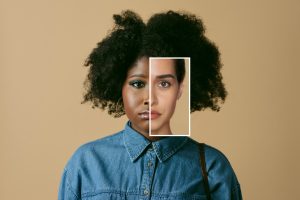
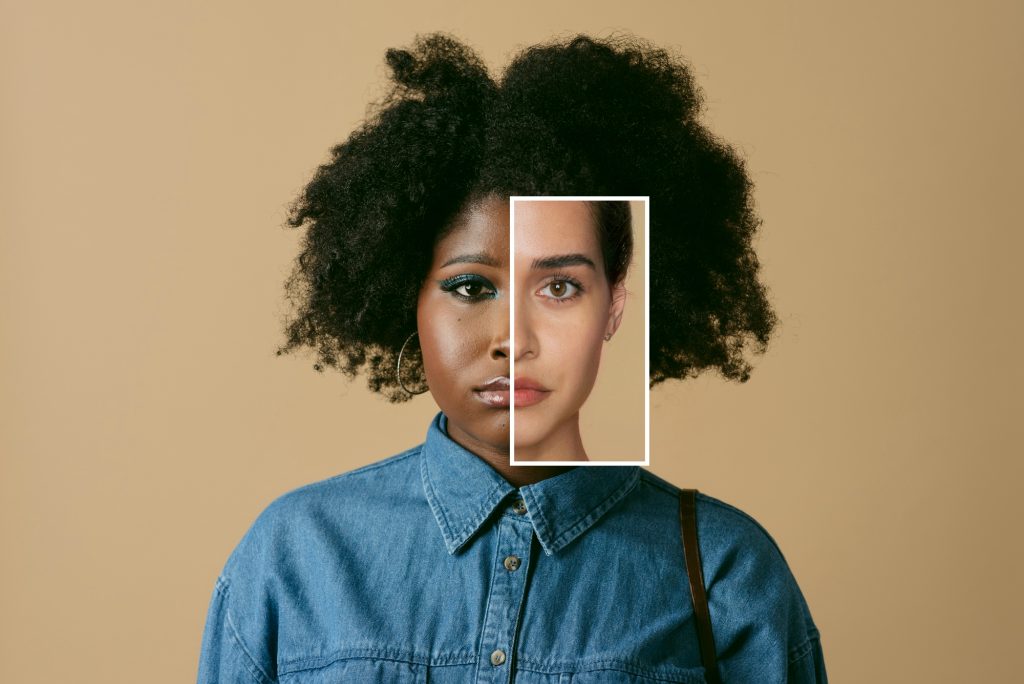
Living with PMDD can feel like you’re continuously bouncing between two versions of yourself.
Do I have a split personality?
Or perhaps it’s dissociative identity dis-order, bipolar, or obsessive-compulsive disorder?
Prior to formal diagnosis, many of us will have hit the search engines, frantically trying to build a picture to figure out what’s going on.
I did exactly the same.
Image by cottonbro studio on pexels
The cyclical nature of PMDD means for a certain period each month you don’t feel like yourself — at all.
It’s why many of us may have assumed we were dealing with one of the aforementioned disorders, as it can certainly feel that way.
The changes in our mental and physical state, however, are directly linked to the hormonal changes we experience during the luteal phase of our menstrual cycle.
Women with PMDD have extra brain sensitivity to such changes.
Image by kjpargeter on freepik
This then manifests as dramatic changes in mood, alongside physical discomforts that can vary from one woman to another.
But today, I won’t cover details of the condition itself although I have provided more information here.
So, allow me to share my experience in dealing with the PMDD version of myself.
The good, the bad, and the ugly.
Image by Ron Lach on pexels
If you’ve come to know me through my various channels, this post may sound as though I’m yielding to the potency of PMDD by creating an alter-ego persona.
In reality, it’s quite the opposite.
This is my way of deliberately reclaiming power and control from the condition.
As you read on, the reasoning behind my approach will become clearer.
Image by Tima Miroshnichenko on pexels
The Sister I Never Chose
Annie, the actual me is hard working, patient, caring, kind, funny, intentional, and loyal.
If I didn’t have PMDD, this is the version of me you would expect to show up every time.
Anita however, is my PMDD alter-ego.
Image by SHVETS production on pexels
My alter-ego still possesses many of Annie’s qualities.
However, she comes with a host of unwelcome additions that often overshadow my usual strengths.
Anita is more emotionally sensitive, vulnerable, impressionable, and prone to a quick temper.
Image by Tima Miroshnichenko on pexels
She can also be direct, sharp-tongued, highly impatient, and socially awkward.
There’s a tendency to overindulge in things that offer temporary gratification, even when they may ultimately do more harm than good.
At the same time, Anita is far more susceptible to fatigue from tasks that Annie would normally manage with ease.
Image by RDNE Stock Project on pexels
Anita experiences a strong sense of overwhelm, moves at a slower pace, and finds less enthusiasm in the things Annie enjoys.
As a result, her perspective can become noticeably more negative and self-defeating.
She tends to overthink, likes things done a particular way, and is drawn to particularly peaceful and tranquil environments.
Image by cottonbro studio on pexels
Despite all she comes with, Annie does her best to support Anita whenever she appears.
By reminding her of her abilities, achievements, and the things that matter most, Annie encourages her to remain disciplined even when her emotions become overwhelming.
Image by Elizaveta Dushechkina on pexels
Avoid taking things personally.
Keep unhelpful opinions to yourself.
Resist acting on impulse.
Focus on the things that make you smile.
Show yourself grace.
Take rest breaks.
Annie guides Anita towards choices that minimise the destructive nature of her condition on her quality of life.
Image by katemangostar on freepik
A Lifestyle Built for Healing
My authentic self — Annie, the woman I am today, and the person I’ve spent years becoming, has become the support system that she once couldn’t be for herself.
I still experience PMDD each month, but the way I respond to it has changed because of my lifestyle practices.
Image by Mart Production on pexels
Living with PMDD can feel like being dealt a particularly unfair hand in this game called life.
However, we have the power to dictate what life looks like despite the harsh reality of our conditions.
Image by Tima Miroshnichenko on pexels
If you’re familiar with the condition, you may have noticed in describing my alter ego, that I didn’t make mention of certain symptoms.
Depression, anxiety, suicidal thinking, and the like — and there’s a reason for that.
Image by marianna ole on pexels
Things still get tough in the final days leading up to my bleed, but previously, my entire two weeks were a monthly-rolling horror movie.
So why do these symptoms feel far less significant now than they did in the past?
What changed?
Image by Ann H on pexels
The lifestyle I live and the work I do has greatly reduced the severity of these symptoms.
That improvement is the result of the daily investment I’ve made and continue to make in my wellbeing.
In the spirit of transparency, I can honestly say it hasn’t been easy.
Rather, it’s been necessary.
Maintaining an optimistic mindset has required faith, action, and an unwavering refusal to give up on myself.
Image by freepik
Creating a Better Reality
One of the first things I tried back in 2015 when I felt constantly defeated by the condition, was eliminating certain foods from my diet.
At the time, I was convinced there was a direct link.
Although nutrition proved to be a contributing factor, it wasn’t the primary culprit I had assumed it to be.
Image by Jack Sparrow on pexels
My ongoing battle with PMDD, combined with a series of worsening life events, eventually pushed me to seek meaningful change in 2019.
From that point on, I committed myself to making the changes necessary to improve life with the condition.
Image by Jorge Urosa on pexels
What began with food, eventually extended into every area of my life.
It led to physical activity, mindset shifts, addressing past traumas, re-evaluating friendships, acting on personal ambition, and most importantly, taking my faith in Christ more seriously.
Image by Olia Danilevich on pexels
Much of my time is spent investing in these areas of my life, and as a result, I’ve become happier ‘from my core’.
When PMDD arrives, I face it from a place of greater fulfilment and stability.
Because of that, I no longer experience the most severe symptoms throughout the entire 14-day period.
Image by Anil Sharma on pexels
Although I can’t say I’m cured, my process of growth and healing has meant I’m certainly doing much better.
I read helpful books and spend time in prayer and scripture daily, continually strengthening my spirit and empowering my mind.
It’s my way of equipping Annie with the tools necessary to support and manage her alter-ego.
Rather than working against each other, the two now work together towards the same goals.
Image by Antoni Shkraba on pexels
They undoubtedly think and operate differently, but by allowing my authentic self to lead, I’m able to remain steady, more level-headed, and more consistent in my behaviour.
Annie is able to do what Anita can’t.
With the strengthened mentality at her core, she is now able to supervise adequately.
As a result, Anita is no longer able to take full control or throw my life into total chaos.
Image by Pavel Danilyuk on pexels
The Chapter Before Change
Many years ago, Anita was in complete control, and my life was in disarray.
Every PMDD cycle felt like a nightmare unfolding in real time.
Depression, weight gain, insomnia, severe fatigue, social anxiety, impulsive spending, self-criticism, suicidal ideation, body dysmorphia — you name it, I lived it.
Image by Ketut Subiyanto on pexels
Life became so bad that even on my ‘better’ days, I was experiencing PTSD (Post-Traumatic Stress Disorder).
It stemmed from the residual effects of emotionally charged decisions I had made during PMDD episodes.
The fallout kept me trapped in a cycle of poor mental health.
Eventually, when I realised I was having to convince myself not to end my own life, I sought professional help and was prescribed anti-depressants.
Image by SHVETS Production on pexels
Knowing how I operate now, it’s almost impossible for me to believe that used to be my life.
The point I’m making is that, due to the self-development work I’ve undertaken, I now navigate PMDD far more effectively than I did in my past.
Image by Tima Miroshnichenko on pexels
On most days, it feels unfair that I ever developed this condition in the first place.
However, the process of learning to manage it has amplified my strengths, sharpened my capabilities, and deepened my appreciation for what makes me unique.
I’m living proof that pain can lead to purpose, and I’m convinced the same can be true for you.
Image by Charlotte May on pexels
To face a mentally debilitating condition on a recurring basis and somehow keep moving forward with life deserves nothing but respect and admiration.
Whether you’ve learned to manage the condition well or you’re currently experiencing it at its worst, you’re stronger than you realise.
Most people will never truly understand what it takes.
Image by Denniz Futalan on pexels
Don’t Lose Heart
Let me tell you why it’s not all bad.
When you’ve spent most of your adult life battling PMDD, many of the challenges that unaffected individuals dread can feel far less intimidating.
Whether you believe it or not, you possess a strength that many do not.
I repeat.
You possess a strength that many do not.
Image by Kristina Paukshtite on pexels
Thanks to what feels like a lifetime of living with the condition, I’ve reached the conclusion that nothing in life feels worse than enduring PMDD symptoms at their worst.
Even when an episode is at play and I don’t feel like myself, I approach life knowing I’ve already overcome circumstances far more daunting.
Ultimately, we’re managing or coping with what is arguably one of the greatest challenges a person can face — the battle of the mind.
Image by freepik
Summary
I’d like to reassure you that whether you’re doing well today or struggling more than usual, you’re doing better than you think.
You may recognise elements of your own experience in the PMDD alter-ego I described.
The goal isn’t to eliminate that version of yourself entirely since we can’t, but to strengthen your authentic self so she can lead, guide, and support you whenever the condition arises.
Image by freepik
I realised that no one was coming to save me.
At the same time, I also recognised that God had already given me the tools I needed to overcome the worst of my struggles.
As a result, I became emotionally intelligent towards my PMDD-self, finding healthier ways to cope and even thrive through it.
Image by Tara Winstead on pexels
Through faith, I learned to believe that things could change, acting on that belief with action.
Taking matters into my own hands meant confronting things I had previously avoided — often the very things that felt impossible during PMDD.
Image by prostooleh on freepik
It demands a remarkable level of emotionally detached discipline.
Directing that resolve into meaningful action has refined my character and strengthened my resilience.
Both are by-products of a life determined to succeed beyond the limitations of PMDD.
Image by Lucas Andrade on pexels
I strongly believe the same is possible for you.
You can rewrite your story and become a source of strength for the version of yourself that struggles most.
Image by freepik
So no, I’m not superhuman.
I’m as normal as everyone else.
The only thing I did, was turn my desperation into determination — acted upon.
And you can too.